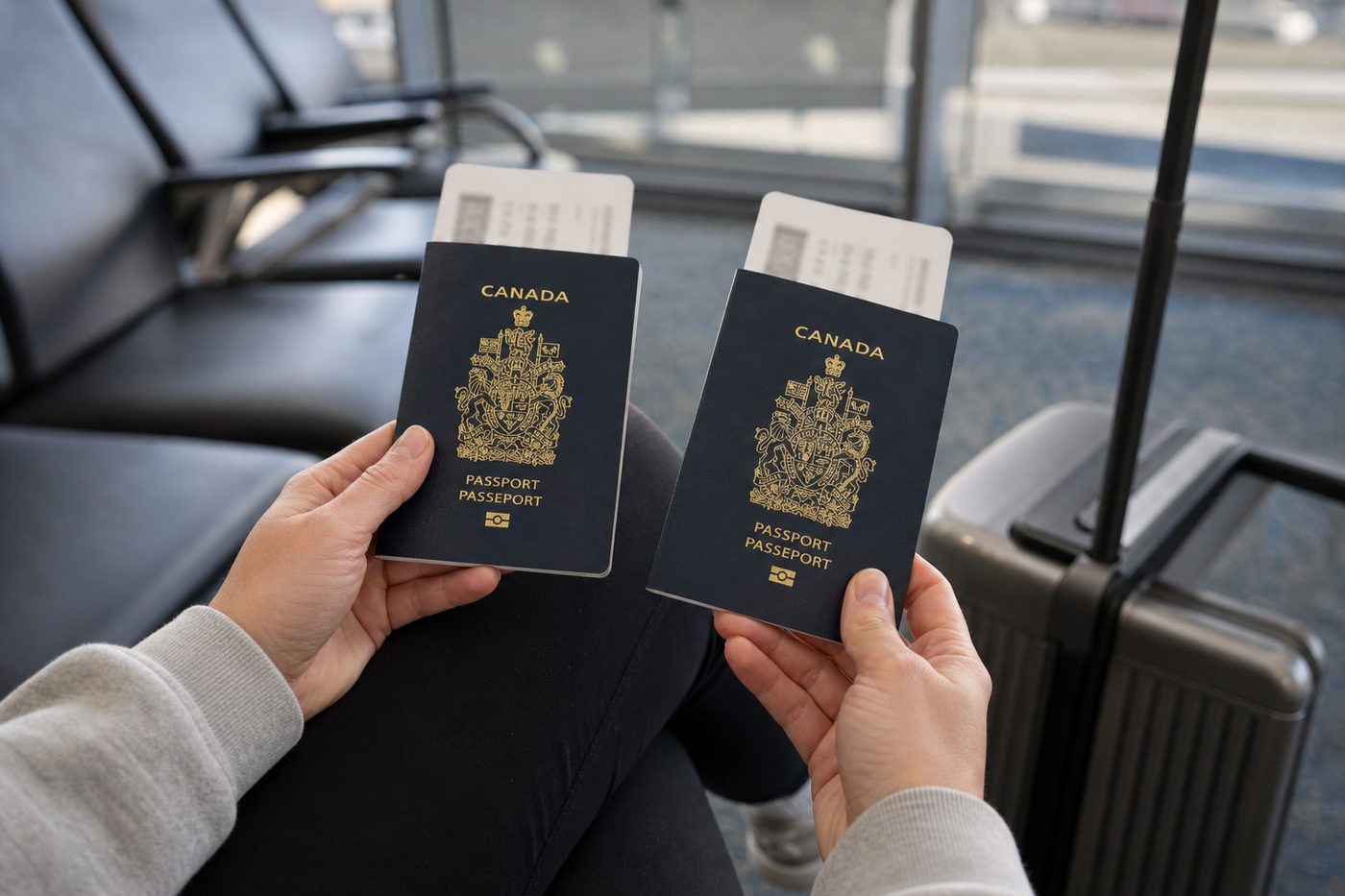
A two-day city weekend requires careful planning to balance sightseeing, dining, rest and spontaneity. We sat down with our front desk team to answer the most common questions guests ask when organizing a short urban escape. Whether you are arriving Friday evening or early Saturday morning, these practical insights will help you structure your time, choose the right neighbourhood base, and avoid the pitfalls that turn a relaxing break into an exhausting checklist.
When should I arrive and depart to get the full two days?
Guests often ask whether to count travel days as part of the weekend. For a true two-day experience, we recommend arriving Thursday evening or very early Friday morning, then departing Sunday evening or Monday morning. If you can only travel Friday to Sunday, aim to check in by noon on Friday and check out after lunch on Sunday. Many hotels, including ours, offer early check-in and late checkout by request, which can add several valuable hours. Avoid red-eye flights that land early morning if you want to enjoy your first day rather than nap through it. Similarly, late Sunday departures let you explore Sunday markets or brunch spots without rushing. Build in buffer time for transit delays, especially if you are connecting through busy hubs or relying on weekend train schedules that may run less frequently.
How do I choose what to see without overloading the itinerary?
The most common mistake is trying to see everything. We suggest picking one anchor activity per half-day: a museum in the morning, a neighbourhood walk in the afternoon, a dinner reservation in the evening. That gives you structure without stress. Start by listing your must-sees, then rank them. If a gallery requires two hours and you also want to stroll the old town, those can share a morning if they are close together. Use walking time as sightseeing rather than dead time. Many of our guests find that wandering between planned stops reveals the best cafes, squares and street life. Group attractions by neighbourhood to minimize transit time. If the art museum, cathedral and market hall all sit within a ten-minute radius, visit them on the same half-day. Save distant or time-intensive sites for a future trip. Accept that you will miss things; that gives you a reason to return. A relaxed pace beats a forced march through a checklist.
What should I pack for a two-day city break?
Pack light, but pack smart. A carry-on bag or small wheeled case is enough for two days. Bring versatile clothing that works for both day exploring and evening dining: dark jeans or trousers, a couple of tops you can layer, a lightweight jacket and comfortable walking shoes you have already broken in. A small backpack or crossbody bag is essential for carrying water, snacks, a phone charger and a light rain layer. Check the forecast before you leave, but assume weather can change; a compact umbrella or packable rain shell takes little space. If you plan to visit religious sites, bring something to cover shoulders and knees. A refillable water bottle saves money and reduces waste. Keep a photocopy or phone photo of your passport and hotel address. Leave valuable jewelry at home. A universal power adapter and a portable battery pack are useful if you rely on your phone for maps and bookings. Many city hotels provide toiletries, so travel-size bottles are optional.
How do I balance structure and spontaneity?
The best two-day trips blend a loose framework with room to improvise. We recommend booking no more than two or three things in advance: perhaps a museum entry time, a dinner reservation and a walking tour. Leave the rest open. If you stumble on a lively street market or a cafe with perfect pastries, you can linger without guilt. Build downtime into your schedule. An hour back at the hotel in the late afternoon to rest, shower and regroup makes the evening more enjoyable. Avoid back-to-back commitments; if lunch runs long or you want to explore a side street, you should have that freedom. Ask locals and hotel staff for tips each morning rather than following a rigid plan made weeks earlier. The city changes day to day, and a festival, pop-up market or special opening might be happening during your visit. Spontaneity also means saying no: if a museum feels crowded or a neighbourhood does not appeal, move on without guilt.
What are the common pitfalls and how do I avoid them?
Overbooking is the biggest trap. Guests often schedule every hour, then arrive exhausted and resentful. Transit delays, slow restaurant service and tired feet all eat into your timeline. Build in buffer time. Another pitfall is underestimating walking distances; a map may show two sites close together, but cobblestone hills or detours add time. Wear supportive shoes from day one. Skipping meals or relying on rushed snacks leads to low energy and poor moods; plan at least one sit-down meal per day. Ignoring opening hours causes frustration: many museums close Mondays, and some restaurants shut between lunch and dinner. Check ahead. Carrying too much cash or too little is inconvenient; a mix of card and small bills works best. Finally, not asking for help wastes time. Our front desk can book tables, print maps, suggest shortcuts and update you on closures or events. Use that resource rather than wandering lost or disappointed.
In short
A well-planned two-day city break is about quality, not quantity. Arrive rested, choose a handful of priorities, leave space for serendipity, and treat the weekend as a chance to experience a place rather than conquer it. Ask questions at check-in, adjust your plans as you go, and remember that the best memories often come from unplanned moments: a conversation in a park, a side street you explored on a whim, a meal that lasted longer than expected. Our team is here to help you make the most of your time, whether that means booking a table, suggesting a quiet square or simply pointing you toward the nearest good coffee.
Opening hours, prices and transit schedules change frequently. Please confirm details before your visit, especially for timed-entry sites and restaurant reservations. Sources