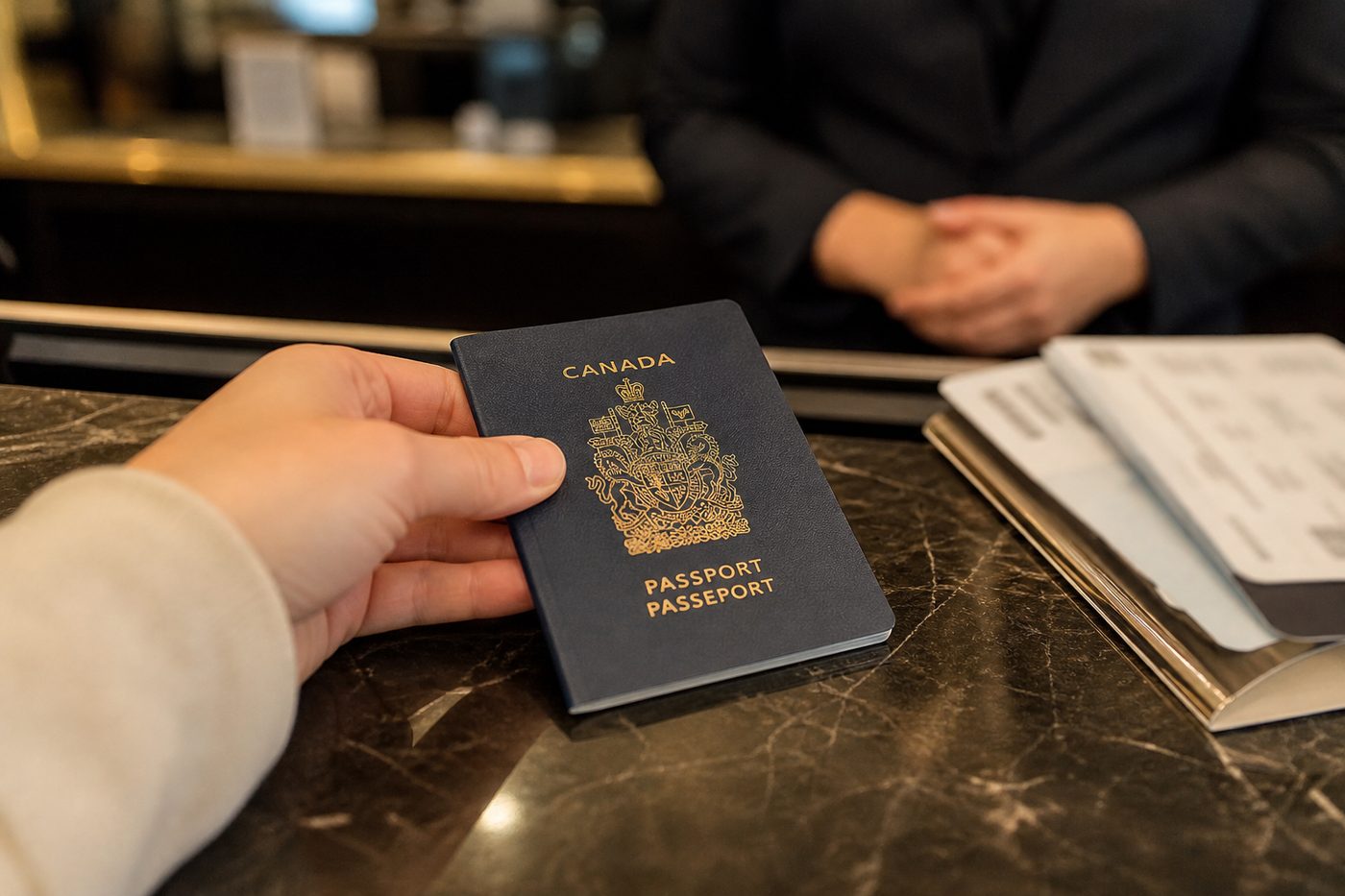
Last month, Sarah and Tom from Vancouver arrived at our front desk with a familiar challenge: forty-eight hours to explore an unfamiliar city, no solid plan, and a determination not to waste a single moment. Their experience offers practical lessons for any visitor planning a short urban break. We tracked their decisions, adjustments, and discoveries to show how thoughtful planning—even on the fly—can transform a rushed weekend into a memorable experience. Here is what worked, what they would change, and what you can apply to your own two-day stay.
In this feature
- Arrive the evening before your first full day to maximize daylight hours and shake off travel fatigue
- Group attractions by neighbourhood to minimize transit time and allow for spontaneous discoveries along the way
- Book one anchor experience in advance; leave the rest flexible to adapt to weather, energy levels, and local recommendations
- End each day near your starting point for the next morning to avoid backtracking and early-morning rush
Day Zero: The Evening Arrival Strategy
Sarah and Tom landed at 6 PM on a Thursday. Rather than treating this as lost time, they used the evening to settle in and get their bearings. After checking in, they walked a fifteen-minute loop around the hotel neighbourhood, noting a grocery store, a late-night pharmacy, and three cafés that opened early. They picked up breakfast supplies and confirmed the location of the transit stop they would use the next morning. By 9 PM they were in their room, reviewing a neighbourhood map and marking potential lunch spots for the following day. This evening reconnaissance gave them confidence and saved them from morning confusion. The lesson: even two hours of purposeful wandering on arrival night pays dividends the next day. They went to bed knowing exactly where they were and how to begin.
Day One: The North-South Route
Friday morning they left the hotel at 8:30 AM with a simple north-to-south plan. They started at a historic district twenty minutes away by metro, spent two hours walking its market streets and visiting a small museum, then worked their way south on foot through three distinct neighbourhoods. Lunch was at a workers' café recommended by our front desk—no reservation, just a fifteen-minute wait. By 3 PM they had covered the major cultural sites they wanted to see and found themselves with three unplanned hours. They spent it in a public garden, reading and people-watching, then had an early dinner near the hotel. The structure was loose but directional: they moved in one clear line rather than zigzagging across the city. This saved time, reduced decision fatigue, and let them notice details they would have missed in a rushed checklist approach.
Day Two: The Anchor and Orbit Method
Saturday they used what they called the anchor-and-orbit method. They had pre-booked a 10 AM guided walking tour—their one fixed commitment—and planned everything else around it. The tour ended at 1 PM in a neighbourhood they had not yet explored. Instead of rushing back to the hotel or jumping to the next landmark, they orbited that anchor point: lunch at a nearby bistro, an hour browsing independent bookshops and craft studios, then a slow walk along the waterfront that brought them back toward the hotel by 5 PM. This approach gave structure without rigidity. The anchor prevented drift and indecision; the orbit allowed discovery. By evening they felt they had seen both the planned highlights and the unplanned textures of daily life that make a city memorable.
What They Would Change
On Sunday morning, over coffee in our lobby, Sarah and Tom reflected on what they would do differently. First, they wished they had studied the metro map more carefully—they lost twenty minutes on Friday afternoon trying to transfer between lines that did not connect. Second, they packed too many clothes and not enough comfortable walking shoes; Tom developed a blister on day two. Third, they underestimated how much they would enjoy unstructured time and would have scheduled even less. Their biggest regret was not asking more questions at the front desk: we could have told them the museum they visited Friday morning offered free entry after 4 PM, and that the waterfront walk they discovered Saturday was even better at sunrise. The lesson is that local knowledge is free and usually more current than guidebooks or apps.
Applying the Model to Your Own Visit
The principles from Sarah and Tom's weekend are transferable. Start by choosing one anchor experience per day—something timed or ticketed that provides structure. Build everything else around it geographically, not thematically. Use the evening before and the morning after your official stay to handle logistics, reconnaissance, and transitions. Leave at least four hours unplanned each day for rest, spontaneity, and the inevitable delays that come with exploring. Group your stops by neighbourhood and move in one direction rather than crisscrossing the city. Carry a refillable water bottle, wear shoes you have already broken in, and keep your daily pack light. Most importantly, talk to the people at the front desk, in cafés, and in shops—they know what is happening this week, not what was true when the guidebook was written. A two-day visit will never be comprehensive, but it can be coherent, enjoyable, and genuinely revealing if you plan with intention and execute with flexibility.
In short
Sarah and Tom left on Sunday afternoon tired but satisfied. They had not seen everything, but they had seen enough—and seen it well. Their approach combined just enough planning to avoid paralysis with just enough flexibility to allow surprise. The weekend felt full but not frantic. As we handed them their luggage, Sarah said the key was treating the trip as a sample, not an inventory. They left with a sense of the city's rhythm and a list of places to return to, which is exactly what a short visit should provide. Your own two-day stay can follow the same logic: one clear structure, room to adapt, and a willingness to leave some things for next time.
Transit routes, opening hours, and prices change seasonally. Confirm details with your hotel front desk or directly with venues before setting out. Sources